Monday, June 13, 2022

Cataracts Don’t Return: Facts You Might Not Know


From time to time we hear patients ask about whether cataracts “regrow” after they have had cataract surgery. Sometimes patients will tell us that a friend, neighbor or relative had a cataract regrow. The fact is that cataracts do not come back after they are surgically removed!

When your cataract surgeon performs cataract & lens implant surgery, the cloudy natural lens of your eye is replaced with a clear artificial lens that is placed within a thin membrane-called the “lens capsule”-that is intentionally left in place to secure the new artificial lens. The new lens does not become cloudy again. However, some people do develop what is called a “secondary” cataract some time later after the initial surgery that occurs when the thin membrane that holds the lens becomes cloudy. With a quick painless procedure called a YAG Laser Capsulotomy, your eye surgeon can make an opening in the cloudy capsule, allowing light to pass through again for clear vision. This YAG procedure almost instantly restores clear vision with the entire procedure taking less than 5 minutes and requiring no downtime.

If you or someone you is experiencing cataract symptoms such as cloudy foggy vision, glare or difficult night driving and would like to learn more about cataracts, cataract surgery and lens implants  please call and schedule an eye exam at Alabama Eye & Cataract Center in Birmingham at 205-930-0930, visit Alabama Eye & Cataract Center or Facebook

Alabama Eye & Cataract Center is a leading eye care center in Birmingham located at UAB-Highlands, 1201 11th Avenue S, Suite 501, Birmingham, Alabama 35205 and staffed by UAB Medicine eye doctors and eye specialists.

Monday, May 2, 2022

More NFL Players Wear Protective Visors

More players in the National Football League (NFL) are using visors to protect their eyes than ever before, despite visors being optional. That's according to new research published in Ophthalmology, the journal of the American Academy of Ophthalmology. Visors shield players' eyes from injury. Tinted visors offer added protection from the sun. About 41% of defensive players and 24% of offensive players wore visors during the 2019-2020 season, the report found. Linebackers, running backs and defensive backs were much more likely than other positions to wear a visor. The study examined all 32 teams in the NFL.

Ophthalmologists Urge NFL to Make Visors Mandatory

Sport-related eye injuries can be devastating and career-ending. Over the past five seasons, 16 NFL players sustained eye injuries ranging from eye gouges to fractures of the bone around the eyes, corneal abrasions and cuts to the eyelid, the study revealed. Because so many players are already using visors and because visors don’t hinder performance the ophthalmologists who authored the study urge the NFL to take a stronger stand on visor usage. Athletes on college, high school or community football teams should also wear visors, the authors note. Amateur leagues may not have access to the same equipment and resources that NFL players do, which could result in more significant eye injuries. The Academy has categorized football as a sport with a moderate risk of eye injury and recommends the usage of a polycarbonate eye shield or visor for protection.

Monday, April 18, 2022

Casual Wine Drinkers Less Likely to Get Cataracts


A glass of wine a day may keep the doctor away, according to a new study from Moorfield’s Eye Hospital NHS Foundation Trust and University College London. The study was published in Ophthalmology and showed people who drank low to moderate amounts of alcohol were less likely to need cataract surgery. Reviewing data from 490,000 volunteers, research suggested that low to moderate wine drinkers in particular were the least likely to develop cataracts compared with nondrinkers and drinkers of other types of alcohol. This study is the largest of its type to date.

What Are Cataracts?

A cataract is when your eye's natural lens becomes cloudy. Proteins in your lens break down and cause things to look blurry, hazy, or less colorful. Treatment includes surgery, where the cataract is removed and replaced with a clear artificial lens.

What Is Considered Moderate Drinking?

Moderation was a key takeaway from this research. People who drank more than the suggested amount on a daily basis had about a 6 percent higher risk of cataract surgery compared to people who drank low to moderate amounts of alcohol. Moderate drinking was defined as about 6.5 glasses of wine a week.

Is Wine Good For Eye Health?

Previous studies have also suggested that red wine and diets rich in antioxidants may prevent cataract development. Cataract development may be due to gradual damage from oxidative stress during aging. The fact that the findings were particularly evident in wine drinkers may suggest a protective role of polyphenol antioxidants, which are especially abundant in red wine. However, researchers remind the public that drinking alcohol regularly is also linked to many serious chronic conditions, including heart disease, diabetes, and cancer, and that this study does not suggest excessive drinking or drastic lifestyle changes.

If you or some you know is experiencing cataract symptoms such as cloudy foggy vision, glare or difficult night driving and would like to learn more about cataract surgery & lens implants please call Alabama Eye & Cataract Center in Birmingham at 205-930-0930, visit Alabama Eye & Cataract Center or Facebook.

Alabama Eye & Cataract Center, P.C. leading eye care center in Birmingham located at UAB-Highlands, 1201 11th Avenue S, Suite 501, Birmingham, Alabama 35205 and staffed by UAB Medicine eye doctors and eye specialists.

Monday, April 11, 2022

Early Signs of Heart Disease Appear in the Eyes

Eye doctors may be able to detect signs of heart disease during a comprehensive eye exam, experts say. A new study finds that people with heart disease tend to have retinas marked by evidence of eye stroke.

Eye strokes happen when the eye is deprived of blood flow and oxygen, causing cells to die. This creates a mark, called a retinal ischemic perivascular lesion. These marks can be spotted when ophthalmologists use an imaging tool called optical coherence tomography, or OCT, to take a close look at the retina.

OCT scans of the retina (such as the one pictured above) are valuable ways to detect disease and dysfunction in all parts of the body — not just the eyes, says ophthalmologist and Academy spokesperson Joseph Nezgoda, MD, a retina specialist. Eye scans can detect signs of Alzheimer’s, Parkinson’s and other underlying health conditions.

How Eye Exams Can Detect Heart Disease

The eye is the only place in the body where a doctor can see the live action of blood vessels, nerves and connecting tissue without relying on an invasive procedure. That’s why eye doctors are often the first to detect health conditions including high blood pressure, high cholesterol, stroke and more. While the marks left behind by eye strokes may be present in low numbers in healthy people, those with heart disease tend to have a far greater number. Researchers arrived at these results by reviewing the medical records of 84 people with heart disease and 76 healthy people, all of whom had received a retinal OCT scan.

Catching Heart Disease Early Can Save Lives

The new study adds to the list of health conditions an eye exam may help detect. For people with heart disease-the number one cause of death worldwide-early diagnosis and treatment could help stave off a heart attack or stroke. Your eye doctor may refer you to a cardiologist if they spot eye strokes on an OCT scan, especially if you haven’t had a comprehensive health check or even a family history of heart disease. Please schedule a comprehensive eye exam at Alabama Eye & Cataract Center in Birmingham at 205-930-0930, visit Alabama Eye & Cataract Center or Facebook.

Alabama Eye & Cataract Center is a leading eye care center in Birmingham located at UAB-Highlands, 1201 11th Avenue S, Suite 501, Birmingham, Alabama 35205 and staffed by UAB Medicine eye doctors and eye specialists.

Wednesday, March 16, 2022

Visual Hallucination & AMD

Vision loss from Age-Related Macular Degeneration (AMD) or other causes is known to cause some people to see faces or shapes that aren't really there. But a new study suggests these hallucinations, known as Charles Bonnet Syndrome, affect many more people with AMD than previously thought. More than 12% of people with AMD experience visual hallucinations, the study found. The actual number may be even higher. On average, people experience these hallucinations on and off for about 3 years. Those who experience hallucinations tend to see multiple types of images, particularly people and faces. Many people keep quiet about these phantom images for fear they'll be labeled with dementia or a psychiatric condition. Their hesitancy to speak up could explain why hallucinations were thought to be relatively uncommon until now.

Why Do People with Macular Degeneration Have Hallucinations

Hallucinations in people with vision loss do not stem from neurological problems. Rather, they occur when brain craves new images to process. Finding none (due to vision loss), the brain resorts to making up images or recalling images from memory.

These phantom images may be simple lines, shapes, flashes of light or more complex images of faces, people or animals. They can occur at any time and last for seconds, minutes or hours. Sometimes the images remain still, other times they move around. People with significant vision loss, especially loss of central vision, are most often affected.

How to Deal with Visual Hallucinations

There is no cure or treatment for Charles Bonnet Syndrome, but there are strategies to stave off episodes and cope with hallucinations that occur. If you feel you are seeing things that aren’t really there, reach out to your doctor. They will rule out other causes of visual hallucinations like neurological conditions or medication-related side effects. If your doctor thinks you have Charles Bonnet Syndrome, they will give you techniques to manage the hallucinations. These include:
  • Changing Your Lighting Conditions and Environment
  • Blinking Frequently or Moving Your Eyes Side-to-Side
  • Sleeping, Exercising and/or Relaxing, as Fatigue and Stress can Exacerbate Hallucinations
If you or someone you know is over 65, please schedule regular eye exams for common senior eye problems such as cataracts, glaucoma and macular degeneration (AMD) so you can maintain eye health. Schedule an eye exam at Alabama Eye & Cataract Center in Birmingham at 205-930-0930, visit Alabama Eye & Cataract Center or Facebook.

Alabama Eye & Cataract Center is a leading eye care center in Birmingham located at UAB-Highlands, 1201 11th Avenue S, Suite 501, Birmingham, Alabama 35205 and staffed by UAB Medicine eye doctors and eye specialists.

Tuesday, February 8, 2022

Are AMD & Cataract Surgery Compatible?


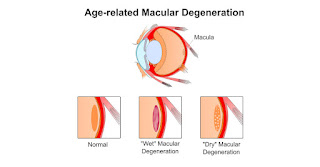
Age-Related Macular Degeneration (AMD) is a frustrating condition that diminishes your ability to see detail clearly. When you combine AMD’s loss of central vision with the blurriness from cataracts, you have a recipe for significant vision loss. Can you have cataract surgery to restore some clear vision if you have macular degeneration? The answer is probably yes, but there are some factors that need to be considered first.

Which Condition Impacts Your Vision Most: Cataracts or Macular Degeneration?

Before recommending cataract surgery, your cataract surgeon will want to find out whether most of your vision loss is caused by the cataract or by the AMD. Some people who have a lot of damage to their retina from macular degeneration won’t see much or any vision improvement from cataract surgery. Your ophthalmologist will examine your retina and take photographs to assess its condition. They will also take a look at how cloudy your lens is to see how much vision the cataract may be blocking. And before recommending cataract surgery, your surgeon will check your vision to see if a change in your eyeglass prescription or even low vision magnifiers may be enough to see better. Having cataract surgery with AMD may not restore your ability to do up-close tasks, such as reading. Removing the cataract will allow more light to enter the eye, but that may not be enough for good central vision. We need a clear lens and a healthy retina for sharp vision.

Does Having Cataract Surgery Make Macular Degeneration Worse?

Depending on the type of AMD you have, the answer is not fully known at this point.

If you have the “dry” form of AMD, there is no evidence that cataract surgery will make your AMD worse. However, if you have the “wet” form, it is not clear if cataract surgery will negatively affect your macular degeneration. Cataract surgery causes inflammation inside the eye, which in theory could make wet AMD worse. However, results of multiple studies have been inconsistent, so we don’t know for sure if cataract surgery worsens wet AMD.

Fortunately, for those struggling with the double whammy of vision loss from both AMD and cataracts, studies have shown that cataract surgery can improve vision in those who are candidates for the procedure. If you or someone you know is over 65, please schedule regular eye exams for common senior eye problems such as cataracts, glaucoma and macular degeneration (AMD) so you can maintain eye health. Schedule an eye exam at Alabama Eye & Cataract Center in Birmingham at 205-930-0930, visit Alabama Eye & Cataract Center or Facebook.

Alabama Eye & Cataract Center is a leading eye care center in Birmingham located at UAB-Highlands, 1201 11th Avenue S, Suite 501, Birmingham, Alabama 35205 and staffed by UAB Medicine eye doctors and eye specialists.


Monday, January 31, 2022

AMD Facts to Know


Age-Related Macular Degeneration (AMD) is the leading cause of blindness in seniors. The disease harms central vision and limits a person’s ability to read, write and recognize faces. Older Americans who are unaware of the disease may be putting themselves at risk. The good news is that they can protect their sight with routine eye exams and some lifestyle changes. New treatments and protective steps can help people with AMD avoid vision loss. Here are some facts we think you should know:
  • The early warning signs of macular degeneration are subtle and easy to miss
In the earliest stages of AMD, you may not notice any changes to your eyes or vision. But at the same time, an early diagnosis allows for timely treatment. So how can you be sure to catch the disease early without obvious symptoms? The best defense is to get a comprehensive eye exam, even if you don't need glasses or contacts. The American Academy of Ophthalmology urges adults with no symptoms to have an eye exam at least by age 40. After age 65, it's important to get an exam every one to two years. But don't wait until age 40 if you notice problems with your eyesight or have eye discomfort.
  • Family history shapes your risk of macular degeneration
If you have a close family member with AMD, you have a greater risk of getting the disease. Before your next eye exam, speak with your family about their eye health history. Catching AMD early could better your chances of saving your sight.
  • You can't reverse vision loss from macular degeneration, but you can save your remaining vision
Fifteen years ago, there was little that we could do to stop AMD from stealing people's vision. The most advanced form of disease, called "wet" AMD because it causes fluid to leak from blood vessels in the eye, often caused blindness. Thanks to major advances in treatment, such as the use of anti-VEGF drugs, fewer people are going blind.
  • Vitamins can slow macular degeneration (in some cases)
If you have AMD, you may have heard that the AREDS 2 vitamin formula can help slow the disease. Clinical trials show that these vitamins for AMD can help with intermediate or advanced AMD in one eye. Trials have not shown that they prevent AMD in people who do not have the disease.
  • Smoking increases your risk of age-related macular degeneration
Many studies have found that smoking cigarettes can increase risk of AMD. Smoking also increases the speed at which the disease worsens. If you smoke, you are twice as likely to get AMD compared with a nonsmoker. The good news is that stopping smoking is the best action you can take to lower your risk of AMD. People who quit smoking 20 years ago have the same risk of AMD as people who have never smoked.
  • Daily vision checking at home is effective at monitoring AMD progression
The Amsler grid is a simple chart that people with dry AMD can use at home to check for changes. All you have to do is look at it once every day! Learn how to use the Amsler grid to track progression and risk of AMD-related vision loss.
  • Eating certain foods may cut your risk of macular degeneration
Studies have shown that foods rich in omega-3 fatty acids are good for eye health. Studies link eating these foods with a reduced risk of AMD-but not when taken as supplements. Other nutrients that help eye health include lutein, zeaxanthin, zinc and vitamin C.
  • Exercise can help protect your vision as you age
Many studies show getting regular exercise can benefit your eyes. One study found that exercising three times a week reduced the risk of getting wet AMD by 70%. Studies also show that exercise reduces the risk of all stages of AMD.

If you or someone you know is over 65, please schedule regular eye exams for common senior eye problems such as cataracts, glaucoma and macular degeneration (AMD) so you can maintain eye health. Schedule an eye exam at Alabama Eye & Cataract Center in Birmingham at 205-930-0930, visit Alabama Eye & Cataract Center or Facebook.

Alabama Eye & Cataract Center is a leading eye care center in Birmingham located at UAB-Highlands, 1201 11th Avenue S, Suite 501, Birmingham, Alabama 35205 and staffed by UAB Medicine eye doctors and eye specialists.

Thursday, January 20, 2022

6 Tips for Using Glaucoma Eye Drops Effectively

Did you know that less than 50% of glaucoma patients use their eye drops properly and risk vision loss? Glaucoma is a leading cause of irreversible blindness in the United States. When glaucoma is treated in its early stages, vision loss can be prevented. Recent studies show that more than half of glaucoma patients do not adhere to their prescribed treatment plans due to factors including difficulty in applying eye drops, lack of medication education and forgetfulness. Here are 6 tips to help overcome glaucoma medication challenges:

·           Be honest with your eye doctor about your medication difficulties. Missed a dose? It may not seem to matter much, but research shows that skipping doses can cause your glaucoma to become more severe. Be candid with your eye doctor about any problems you face in taking your medicine regularly, and ask about the best way to make up for a missed dose. The more you tell your doctor, the better he or she can help you find ways to customize your treatment plan to make it more manageable for your lifestyle.

·           Ask for help from health professionals and loved ones. It can be difficult to keep track of which meds to take and when. Talk with your ophthalmologist or pharmacist about your medications, their impact and possible side effects. Also, use the buddy system and tell your friends, family and caregivers about your condition and treatments. Consider taking a loved one or caregiver with you to your eye appointments, so they can help you follow your treatment plan when you're at home. They may also be able to help you apply your eye drops at home.

·           Use memory aids. The most common reason for not taking eye drops is forgetfulness. Try simple memory aids like linking your eye drop schedule to other things you do routinely. For example, put your eye drop bottle next to your toothbrush or your pill box if you take other medications. Try using physical reminders such as marking off a calendar when you use your drops, or moving your eye drop bottle from one place to another after you've applied your drops. Also, take advantage of today's technology and set an alarm on your phone to help you make your medication a part of your daily routine, or look for free smartphone apps and other tools.

·           Perfect the "pocket." Giving yourself eye drops can be challenging. In fact, research has shown that nearly 30 percent of people taking glaucoma medication are not properly applying their eye drops. This should involve gently pulling and pinching the lower lid to make a pocket to catch your drops. Once the drops are in, close your eyes (do not blink) and apply pressure to the point where the lids meet the nose for two to three minutes.

·           Don't use pot as a glaucoma treatment. Don't fall for rumors that medical marijuana can replace glaucoma medications. Prescription medicated drops are much more effective at treating the condition and have fewer risks than marijuana. Marijuana can also affect memory, which could make it more difficult to remember your treatments.


Certain factors put people at higher risk of developing glaucoma. These include age, family history of glaucoma, African-American and Hispanic-American ancestry, diabetes and past eye injuries. The American Academy of Ophthalmology recommends that all people get an eye exam by age 40, especially those who have a higher risk of glaucoma.  


If you or someone you know is over 40, or has other glaucoma risk factors please schedule a glaucoma eye exam at Alabama Eye & Cataract Center in Birmingham at 205-930-0930, visit Alabama Eye & Cataract Center or Facebook.


Alabama Eye & Cataract Center is a leading eye care center in Birmingham located at UAB-Highlands, 1201 11th Avenue S, Suite 501, Birmingham, Alabama 35205 and staffed by UAB Medicine eye doctors and eye specialists.

Monday, December 13, 2021

Can Dr. Google Diagnose Eye Problems?


A recent study reported at a Meeting of the American Academy of Ophthalmology concluded that while eye health information they found online can be helpful in informing patients with eye problems about conditions, often these online symptom checkers do not arrive at the correct diagnosis and actually provide the wrong recommendation on what to do, recommending self-care at home instead of calling an eye doctor or going to the emergency room. The study examining the diagnoses generated by WebMD Symptom Checker showed the online tool was correct only 26 percent of the time in making the right diagnosis and recommendation. With the wide availability of telehealth eye visits even if you are unable to get to an eye doctor’s office you would still have the benefit of “real doctor” evaluation and discussion in evaluation and recommendations.

If you or someone you know needs information or urgent care please know we always have an eye doctor on call and are happy to assist or schedule a telehealth appointment. Call us at Alabama Eye & Cataract Center in Birmingham at 205-930-0930, visit Alabama Eye & Cataract Center or Facebook.

Alabama Eye & Cataract Center is a leading eye care center in Birmingham located at UAB-Highlands, 1201 11th Avenue S, Suite 501, Birmingham, Alabama 35205 and staffed by UAB Medicine eye doctors and eye specialists.
Tuesday, December 7, 2021

Cataracts & Diabetes: Facts You Might Not Know

Did you know that having diabetes increases your risk of developing cataracts faster and earlier in life? The crystalline lens in your eye is nourished by the Aqueous Humor-the clear fluid that circulates in the front of the eye behind the cornea. The Aqueous Humor actually provides oxygen and glucose for the health of the crystalline lens. If you have diabetes and not maintaining good stable blood glucose control, the crystalline lens can become cloudy and less transparent, eventually forming a cataract and making things appear blurry, faded and even appearing with a yellow tinge. This is yet another reason diabetics should work to maintain a healthy lifestyle and blood sugar control.

If you or someone you know has diabetes and experiences changing vision or is experiencing cataract symptoms such as cloudy foggy vision, glare or difficult night driving please call and schedule an eye exam at Alabama Eye & Cataract Center in Birmingham at 205-930-0930, visit Alabama Eye & Cataract Center or Facebook.

Alabama Eye & Cataract Center is a leading eye care center in Birmingham located at UAB-Highlands, 1201 11th Avenue S, Suite 501, Birmingham, Alabama 35205 and staffed by UAB Medicine eye doctors and eye specialists.

Tuesday, November 30, 2021

Types of Cataracts: Facts You Might Not Know


Did you know that there is more than one type of cataract? The most common type of cataract, typically found in people over 40, forms mainly in the center of your eye’s crystalline lens and is called a nuclear cataract. Another type of cataract is called a cortical cataract which is a wedge-shaped clouding that develops at the edge of the lens instead of the center. Yet another type, called a posterior capsular cataract generally forms at the back of the lens, blocking light rays from reaching the retina. You should know that posterior capsular cataracts usually develop faster than nuclear and cortical cataracts. But all three types can be corrected with cataract surgery to remove them, and then your vision corrected with lens implants. Your cataract surgeon can recommend different types of lens implants so that your eyeglass prescription for distance vision and astigmatism are corrected at the same time as your cataract surgery, and many people can even have their need for bifocals or reading glasses greatly reduced or eliminated with lens implants as well.

If you or someone you know is experiencing cataract symptoms such as cloudy foggy vision, glare or difficult night driving and would like to learn more about cataract surgery & lens implants please call Alabama Eye & Cataract Center in Birmingham at 205-930-0930, visit Alabama Eye & Cataract Center or Facebook.

Alabama Eye & Cataract Center, P.C. leading eye care center in Birmingham located at UAB-Highlands, 1201 11th Avenue S, Suite 501, Birmingham, Alabama 35205 and staffed by UAB Medicine eye doctors and eye specialists.

Monday, November 22, 2021

Mary P Tells Her Cataract Story


“Dr. Michelson saved my vision. Of equal importance to me, he is the most thorough, kind and pleasant doctor I have ever seen. He will continue to see you until he is certain everything is right. His staff is friendly, compassionate and truly cares about you. I cannot say enough say enough about my great experiences with Dr. Michelson and his entire staff.”-Mary P

If you or some you know is experiencing cataract symptoms such as cloudy foggy vision, glare or difficult night driving and would like to learn more about cataract surgery & lens implants please call Alabama Eye & Cataract Center in Birmingham at 205-930-0930, visit Alabama Eye & Cataract Center or Facebook

Alabama Eye & Cataract Center, P.C. leading eye care center in Birmingham located at UAB-Highlands, 1201 11th Avenue S, Suite 501, Birmingham, Alabama 35205 and staffed by UAB Medicine eye doctors and eye specialists.

Tuesday, November 16, 2021

Cataract Surgery Improves Driving Safety


Did you know that cataract surgery actually improves driving safety? The ability of cataract surgery to restore sight is well known. Patients say they’re stunned by the vibrancy of color after surgery and the improvement in night vision. Depending on the type of lens implant (IOL) selected to correct your vision after cataract surgery many patients no longer even need to wear glasses, reading glasses or bifocals after cataract surgery. Researchers reporting at a recent meeting of the American Academy of Ophthalmology used a driving simulator to test patients’ vision before and after cataract surgery. They found that near misses and crashes decreased by 48 percent after surgery! While visual acuity-how well you see the eye chart-is quickly measured after cataract surgery, it’s an incomplete assessment of how visually able you might be to drive. Cataract surgery appears to improve quantity of vision, or visual acuity, as well as contrast sensitivity leading to better night vision and improving drivers’ safety on the road.

These results highlight the importance of timely cataract surgery in maintaining safety and continued mobility and independence in seniors. If you or someone you know is experiencing cataract symptom such as cloudy foggy vision, glare or difficult night driving and would like to learn more about cataract surgery & lens implants please schedule a cataract evaluation. Call Alabama Eye & Cataract Center in Birmingham at 205-930-0930, visit Alabama Eye & Cataract Center or Facebook.

Alabama Eye & Cataract Center is a leading eye care center in Birmingham located at UAB-Highlands, 1201 11th Avenue S, Suite 501, Birmingham, Alabama 35205 and staffed by UAB Medicine eye doctors and eye specialists.

Wednesday, November 10, 2021

Sleep Apnea & Diabetic Eye Problems?


If you have diabetes, did you know that having severe sleep apnea may increase your risk of developing diabetic macular edema, a complication of diabetes that can cause vision loss or blindness? Diabetic Macular Edema (DME) also appears to be more difficult to treat in patients with severe sleep apnea according to reports from researchers at the Annual Meeting of the American Academy of Ophthalmology.

Sleep apnea is a sleep disorder in which breathing repeatedly stops and starts, disrupting sleep and causing blood oxygen levels to drop. This drop in oxygen appears to unleash a host of changes in the body that may play a role in injuring blood vessels. People with sleep apnea are at risk of developing hypertension, heart attacks, stroke and type 2 diabetes. When people with diabetes have poor control over their blood sugar levels, the tiny blood vessels at the back of the eye can become damaged. Sometimes, tiny bulges protrude from the blood vessels, leaking fluid and blood into the retina. This fluid can cause swelling or edema-called Diabetic Macular Edema (DME) in an area of the retina that allows us to see clearly. Researchers believe that sleep apnea may contribute to the development and worsening of diabetic retinopathy by increasing insulin resistance, elevating inflammation and raising blood pressure, all of which can damage the blood vessels at the back of the eye.

If you or someone you know is diabetic and especially if you suffer from sleep apnea, please be sure to have an annual eye exam and be tell your eye doctor that you suffer from sleep apnea as it is a risk factor Diabetic Macular Edema (DME). Please call us to schedule a diabetic eye exam at Alabama Eye & Cataract Center in Birmingham at 205-930-0930, visit Alabama Eye & Cataract Center or Facebook.

Alabama Eye & Cataract Center is a leading eye care center in Birmingham located at UAB-Highlands, 1201 11th Avenue S, Suite 501, Birmingham, Alabama 35205 and staffed by UAB Medicine eye doctors and eye specialists.

Monday, November 1, 2021

Diabetics Need Annual Eye Exams!


Diabetes and the related diabetic eye problem of diabetic retinopathy is the leading cause preventable blindness in the United States among adults age 20 to 74. About 1/3 of the 30 million Americans with diabetes have diabetic retinopathy. With early detection and treatment vision loss from diabetes is preventable! Often, people may not notice vision changes in the disease's early stages. But as it progresses, diabetic retinopathy usually causes vision loss that in many cases cannot be reversed. Even if you don’t notice changes in your vision-diabetics should have annual eye exams. That’s why it’s so important that everyone with diabetes has yearly exams for early detection. But the U.S. Centers for Disease Control and Prevention still reports that less than 2/3 of people with diabetes undergo their recommended annual dilated ophthalmic examination. We all lead busy lives but diabetics need annual eye exams to prevent vision loss.

If you or someone you know is diabetic please remind them to have an annual eye exam or call us to schedule a diabetic eye exam at Alabama Eye & Cataract Center in Birmingham at 205-930-0930, visit Alabama Eye & Cataract Center or Facebook.

Alabama Eye & Cataract Center is a leading eye care center in Birmingham located at UAB-Highlands, 1201 11th Avenue S, Suite 501, Birmingham, Alabama 35205 and staffed by UAB Medicine eye doctors and eye specialists.

Monday, October 25, 2021

Save Your Sight with Seven Simple Steps


People in their 20s or 30s are likely more concerned with launching careers and families than with their eye health. But this is the exact time of life to take action to preserve vision. That’s because most vision problems are preventable. Vision loss doesn’t have to be a natural part of getting older. Study after study has shown that exercise and a diet rich in a variety of fruits and vegetables can protect against blinding eye diseases, such as age-related macular degeneration (AMD) and glaucoma. Taking simple steps can also help prevent certain types of eye cancer as well as work- and sports-related eye injuries.


Here are seven simple steps for a lifetime of seeing well. 

  • Wear Sunglasses. Long-term exposure to the sun without proper protection can increase the risk of eye disease, including cataract, macular degeneration, growths on the eye, and a rare form of eye cancer. Wear sunglasses that block 99 to 100 percent of both UVA and UVB radiation.
  • Exercise. Regular physical activity can protect you from serious eye diseases, such as age-related macular degeneration and glaucoma.
  • Stop Smoking. Smoking increases the risk for eye diseases such as cataract and age-related macular degeneration. Smoking also raises the risk for cardiovascular diseases which can indirectly influence your eye health. Tobacco smoke, including second-hand smoke, also worsens dry eye.
  • Protect Your Eyes @ Work & Play. Every year, thousands of people in the United States get a serious work-related eye injury or sports-related eye injury. Wearing protective eyewear can prevent most of these injuries. To make sure you have the right kind of protective eyewear and you’re using it correctly, talk with your eyecare professional.
  • Be Aware of Eye Fatigue. If you spend a lot of time at the computer or staring at your phone, you may forget to blink-and that can tire out your eyes. Try using the 20–20–20 rule throughout the day: Every 20 minutes, look away from the screens and focus about 20 feet in front of you for 20 seconds. Eye fatigue won’t damage your vision, but if it persists, it can be a sign something else is wrong.
  • Take Proper Care of Contact Lenses. Sleeping, showering and swimming in contact lenses increases your risk for a potentially blinding eye infection. Learn how to properly care for contact lenses.
  • Know Your Family History. Certain eye diseases can be inherited. If you have a close relative with macular degeneration, you have a 50 percent chance of developing this condition. A family history of glaucoma increases your glaucoma risk by four to nine times. Talk to family members about their eye conditions.
Please schedule regular eye exams to preserve your eye health & vision. It’s important to take care of your eyes,  just like you take care of the rest of your body. Call Alabama Eye & Cataract Center in Birmingham at 205-930-0930, visit Alabama Eye & Cataract Center or Facebook.

Alabama Eye & Cataract Center is a leading eye care center in Birmingham located at UAB-Highlands, 1201 11th Avenue S, Suite 501, Birmingham, Alabama 35205 and staffed by UAB Medicine eye doctors and eye specialists.

Tuesday, October 12, 2021

Miss Alabama USA Congeniality Has the MLV LASIK Experience


“My daughter had LASIK eye surgery performed by Dr. Marc Michelson very recent. We were very pleased with his work and he was such a fun and pleasant doctor to be around. His staff was so cheerful and very informative. I asked my daughter if she had to do it again, would she? She quickly answered, yes, it’s great to be able to see clear things now. My daughter represents her area as "Miss Etowah County" & won Miss Congeniality at Miss Alabama USA Pageant. Erica, Kim & Tom Huddleston would like to Thank Dr. Michelson and his staff for his fantastic LASIK eye surgery, we highly recommend him if your wanting to get rid of those eye glasses and contacts. Your kindness and fabulous work was greatly appreciated.”-Kim & Erica

If you or some you know is tired of the hassle of glasses or contact lenses for seeing at distance and would like to find out if LASIK might be a good vision correction option, please call Michelson Laser Vision, Inc. in Birmingham at 205-969-8100, visit Michelson Laser Vision, or www.facebook.com/michelsonlaservision.

Michelson Laser Vision, Inc. is a leading LASIK center in Birmingham located at UAB-Highlands, 1201 11th Avenue S, Suite 501, Birmingham, Alabama 35205 and staffed by UAB Medicine eye doctors and eye specialists.

Monday, September 27, 2021

Save Your Eyes from Too Much Screen Time


We are all guilty of spending too much time in front of computer screens, on digital devices and even just out phones. This excessive use of digital display screens time has led to an increase in complaints of eye strain, dry eye, headaches and even insomnia. Computer eyestrain and dryness results from prolonged close focusing and not blinking enough while using these screens.

Some tips for helping computer or digital eyestrain include:
  • Keep Your Distance: Your eyes actually have to work harder to see close up than far away. Try keeping your computer monitor or screen at arm’s length, about 25 inches away. Position the screen so your eye gaze is slightly downward.
  • Reduce Glare: Glass screens can produce glare that can aggravate the eye. Try using a matte screen filter.
  • Adjust Lighting: If a screen is much brighter than the surrounding light, your eyes have to work harder to see. Adjust your room lighting and try increasing the contrast on your screen to reduce eye strain.
  • Give Your Eyes a Break: Remember to blink and follow the 20-20-20 rule. Take a break every 20 minutes by looking at an object 20 feet away for 20 seconds. Looking into the distance allows your eyes to relax.
  • Keep Your Eyes Moist: Keep artificial tears at hand to help lubricate your eyes when they feel dry. Consider using a desktop humidifier. Office buildings have humidity-controlled environments that suck moisture out of the air. In winter, heaters on high can further dry your eyes.
  • Stop Using Digital Devices Before Bed: There is evidence that blue light may affect the body’s circadian rhythm, our natural wake and sleep cycle. During the day, blue light wakes us up and stimulates us. So, too much blue light exposure late at night from your phone or other devices may make it harder to get to sleep. Limit screen time one to two hours before bedtime. Use nighttime settings on devices and computers that minimize blue light exposure.
If you or someone you know suffers from digital eyestrain or dryness, please call us today to schedule an appointment at Alabama Eye & Cataract Center in Birmingham at 205-930-0930, visit Alabama Eye & Cataract Center or Facebook.

Alabama Eye & Cataract Center is a leading eye care center in Birmingham located at UAB-Highlands, 1201 11th Avenue S, Suite 501, Birmingham, Alabama 35205 and staffed by UAB Medicine eye doctors and eye specialists.

Monday, August 23, 2021

Concerned About Cataracts?


Cataracts are one of the most common senior eye problems we hear about. There are many myths and misunderstandings about cataracts and cataract surgery that sometimes cause unnecessary concern. Here are some facts to help you put your mind at ease:
  • Cataracts are quite common affecting more than 24 million Americans over 40 and by age 80 half of all Americans have cataracts or have had cataract surgery to get rid of cataracts.
  • Cataracts often start slowly and at first, you may not notice that you have a cataract. But over time, cataracts can make your vision blurry, hazy, or less colorful and you may have trouble reading or doing other everyday activities, especially driving at night!
  • Vision problems from cataracts can almost always be corrected with cataract surgery & lens implants to restore your vision.
  • Most people having cataract surgery can have the cataract removed and their eyeglass prescription for distance vision and astigmatism corrected at the same time, and many can even have their need for bifocals or reading glasses greatly reduced or eliminated as well.
If you or someone you know is experiencing cataract symptoms such as cloudy foggy vision, glare or difficult night driving and would like to learn more about cataract surgery & lens implants please call Alabama Eye & Cataract Center in Birmingham at 205-930-0930, visit Alabama Eye & Cataract Center or Facebook.

Alabama Eye & Cataract Center is a leading eye care center in Birmingham located at UAB-Highlands, 1201 11th Avenue S, Suite 501, Birmingham, Alabama 35205 and staffed by UAB Medicine eye doctors and eye specialists.

Wednesday, August 11, 2021

Amazing LASIK Experience


“Dr. Jennifer Michelson performed my LASIK surgery less than 24 hours ago, and my distance vision is already 20/15! To say I am AMAZED is a complete understatement! The entire staff at Michelson Laser Vision was very knowledgeable and answered all of my questions prior to surgery. Dr. Jennifer Michelson was very sweet and talked me through each step while she performed my LASIK. Her professionalism and calming demeanor put my mind at ease. I would highly recommend Michelson Laser Vision!!! You will not be disappointed in your results. I am thrilled and forever grateful!”-Tara S from Hoover

If you or some you know is tired of the hassle of glasses or contact lenses for seeing at distance and would like to find out if LASIK might be a good vision correction option, please call Michelson Laser Vision, Inc. in Birmingham at 205-969-8100, visit Michelson Laser Vision, or www.facebook.com/michelsonlaservision. 

Michelson Laser Vision, Inc. is a leading LASIK center in Birmingham located at UAB-Highlands, 1201 11th Avenue S, Suite 501, Birmingham, Alabama 35205 and staffed by UAB Medicine eye doctors and eye specialists.